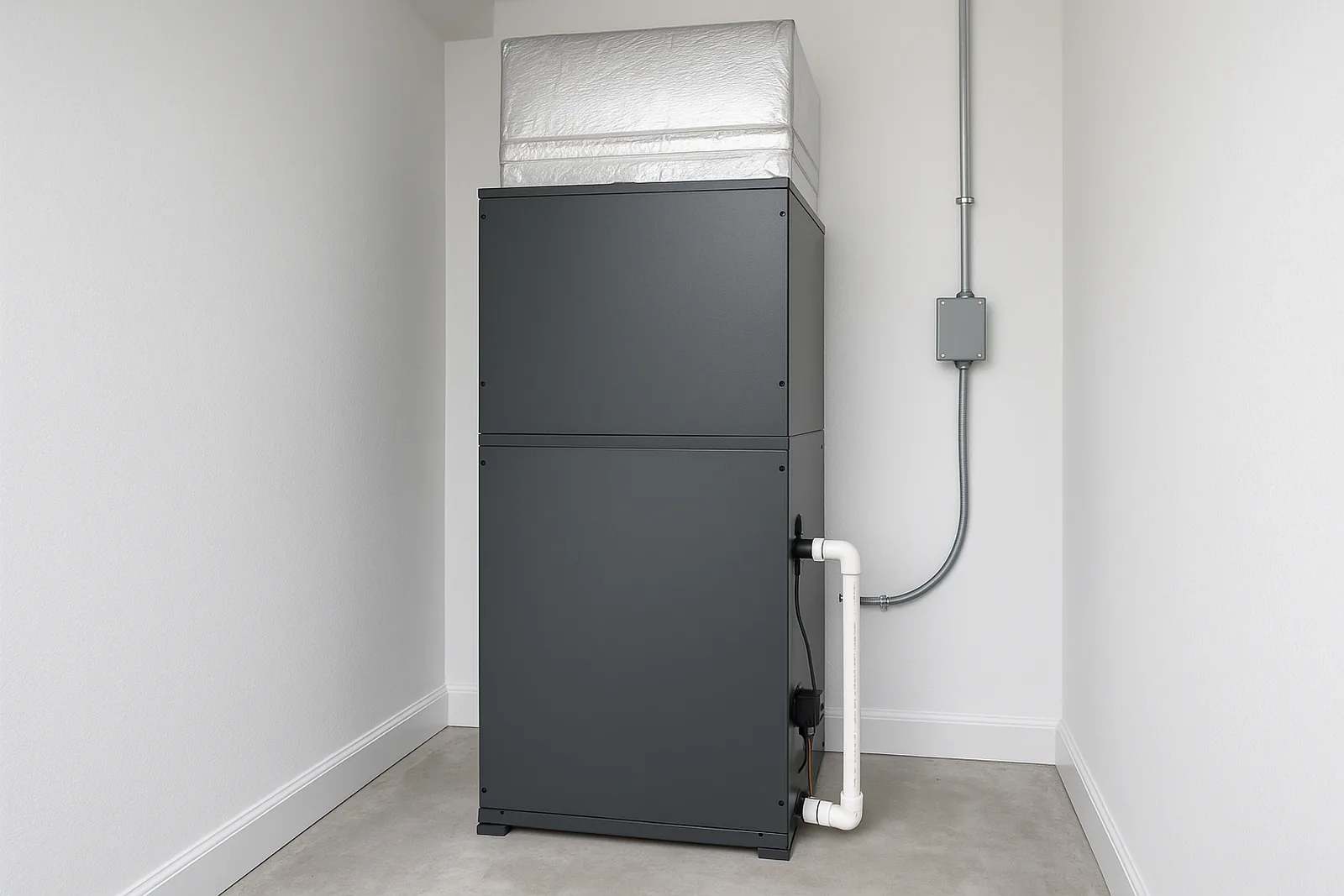
What SEER2 Means for Your Next Air Conditioning System in Naples
Every air conditioner sold in Florida now carries a SEER2 rating, and most homeowners meet that number for the first time on a replacement quote. It looks like the fuel economy sticker on a car, and like that sticker it describes a test rather than your house. Admiral Heating and Cooling of Naples put this guide together because the rating drives a real decision and the marketing around it rarely explains what it measures. Here is what SEER2 is, what the southeast regional minimum requires, why sizing and installation quality decide what you actually get, and how to work out payback without anyone inventing a number for you.
SEER2 Replaced SEER Because the Old AC Efficiency Test Was Too Easy
SEER stands for seasonal energy efficiency ratio. It is the cooling a system delivers over a season divided by the electricity it consumes to deliver it. A higher number means more cooling per unit of power. SEER2 is the same idea measured under a harder federal test procedure that took effect in 2023. The main change is that the equipment is now tested against a higher external static pressure, which is the laboratory way of saying the unit has to breathe through resistance closer to the ductwork in a real house rather than through an open bench.
Because the test got harder, the number got smaller. A system that read a certain SEER figure under the old procedure typically reads a little lower in SEER2 without a single component changing. That matters when you are comparing an old brochure or an older neighbor's system to a current quote, because you are not comparing like with like. If a quote lists a rating, ask in writing whether it is SEER or SEER2, and ask for the model numbers so you can check it yourself.
The Southeast Regional Minimum for Air Conditioning Efficiency in Florida
The federal government sets minimum efficiency by region because a system in Minnesota and a system in Collier County do completely different work. Florida sits in the southeast region, where split system air conditioners have to meet a higher SEER2 minimum than the same equipment installed in northern states. Heat pumps carry a single national minimum instead, expressed as a SEER2 figure for cooling and an HSPF2 figure for heating.
There is a second detail that catches people out. In the southeast the standard is enforced at the point of installation, not at the point of manufacture. A lower rated split system can legally sit in a warehouse, but it cannot legally be installed on a Naples house. If a price looks unusually low, the model number is how you check that what is being offered is actually legal to install here. Cooling is the biggest line in a Southwest Florida power bill for most of the year, and U.S. Energy Information Administration data on home cooling shows how much larger that share is in the South than in the rest of the country. That imbalance is the whole reason the regional minimum exists.
Sizing Matters More Than the SEER2 Number on the Box
Here is the part the sticker cannot tell you. A rating describes the equipment. Comfort is produced by the equipment, the ductwork, the charge and the sizing working together, and sizing is where most of the damage is done.
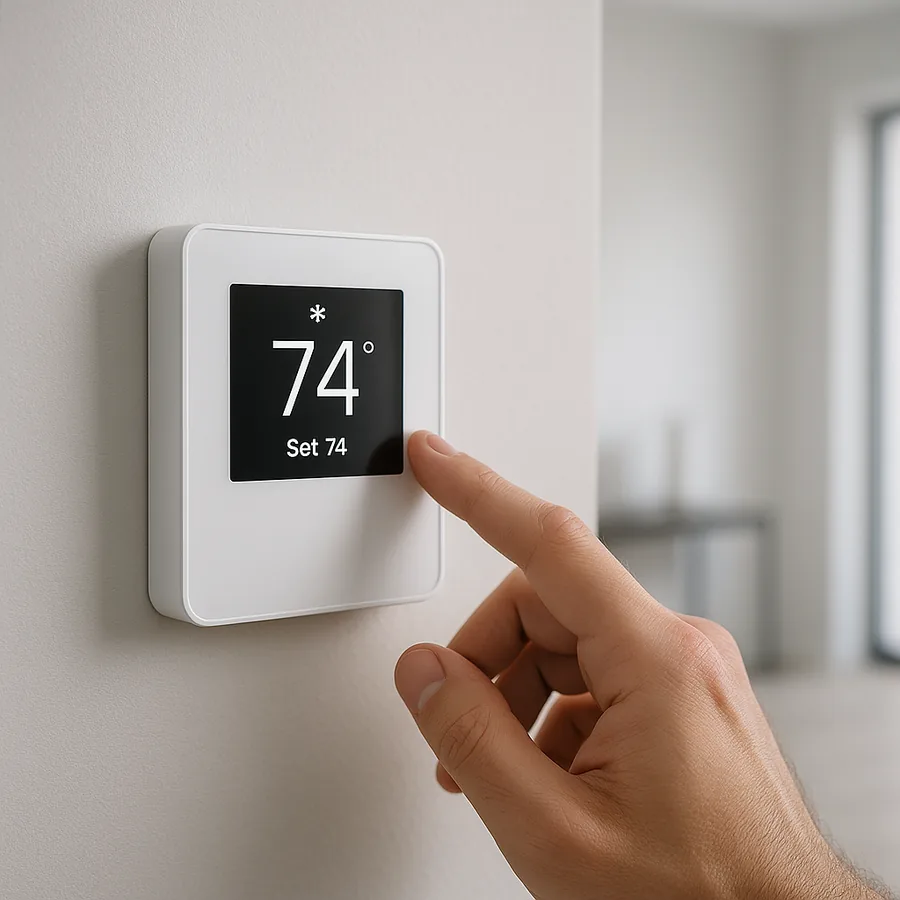
An oversized air conditioner cools the air quickly, satisfies the thermostat, and shuts off before it has run long enough to pull much moisture out of the house. In Southwest Florida a large share of the work your system does is removing humidity rather than dropping temperature. Short cycling means the house reads 74 degrees on the wall and still feels clammy, windows sweat, and the equipment wears itself out starting and stopping. A high SEER2 rating does not rescue any of that. In our experience a correctly sized mid tier system beats an oversized premium one on comfort every time.
Correct sizing comes from a room by room load calculation that accounts for square footage, ceiling height, window area and orientation, shading, insulation, air leakage and the number of people in the house. It does not come from the tonnage of the unit being replaced, because that unit may have been guessed at too. Ask for the calculation in writing before you sign anything.
A Sloppy AC Installation Throws Away the SEER2 You Paid For
The rated number is produced in a laboratory with a matched pair of components, a correct refrigerant charge and clean airflow. Every one of those can be missed on a driveway in August.
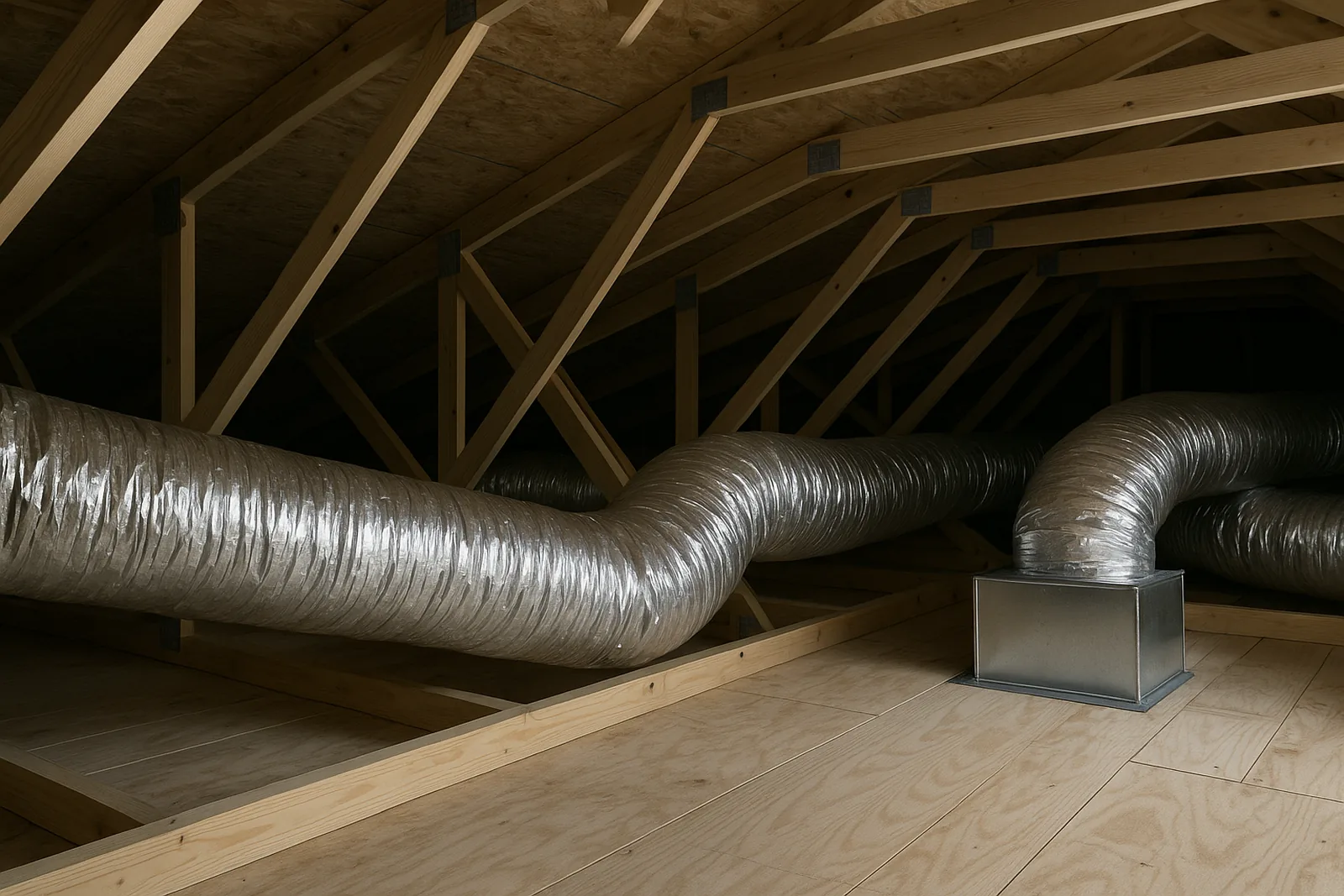
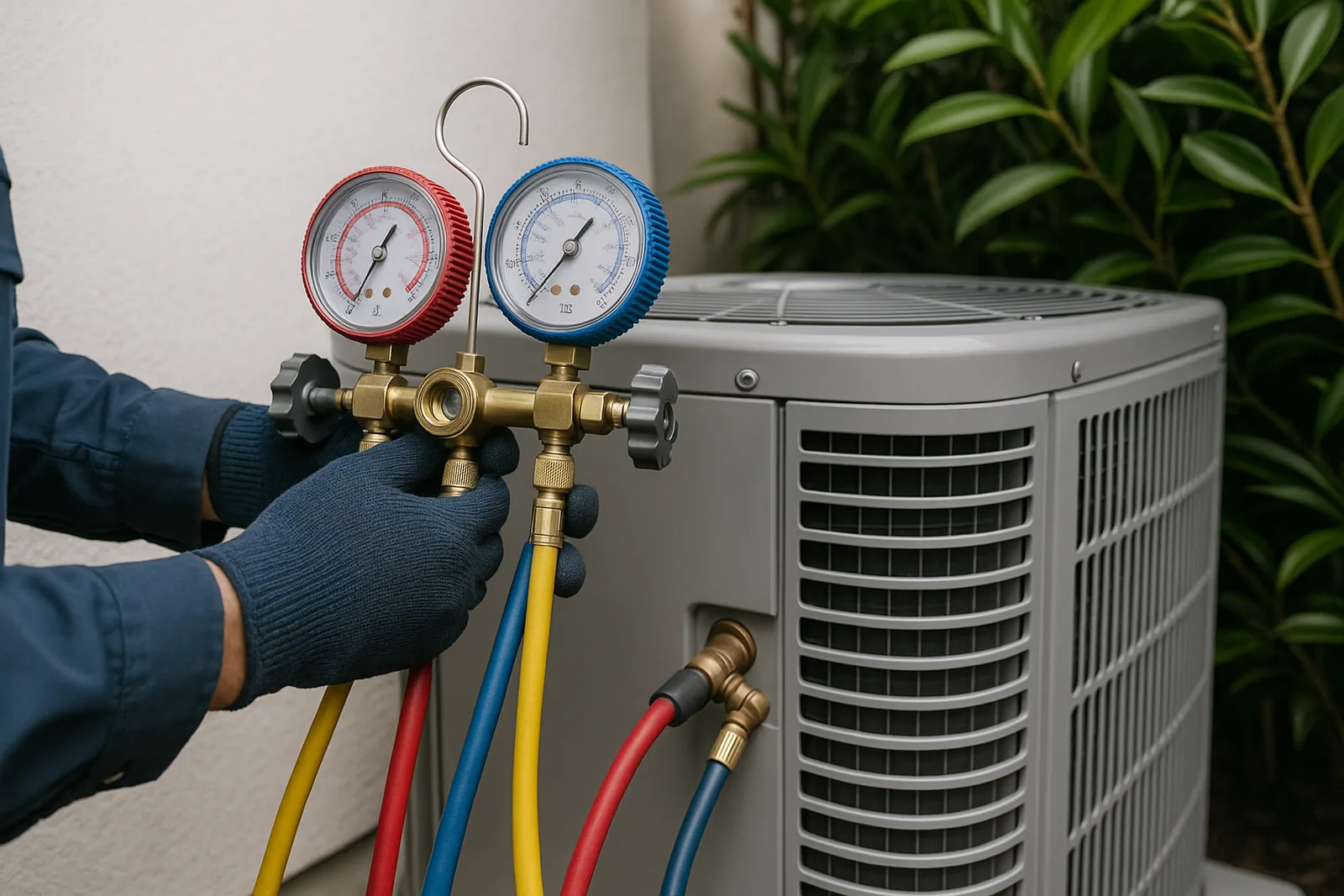
Refrigerant charge is the first. A system that is overcharged or undercharged loses capacity and efficiency immediately, which is why the charge should be weighed in and verified rather than eyeballed. Airflow across the indoor coil is the second. Undersized returns, crushed flex duct and a filter chosen for filtration rating without regard to pressure drop all starve the coil. Duct leakage is the third, and in a Naples attic a leaking supply duct is dumping conditioned air into a space that can sit well above outdoor temperature. None of that shows up on the sticker, and all of it shows up on the bill.
Honest Payback Math on a Higher SEER2 Heat Pump
You can do this yourself and you should, because nobody honest can give you a payback figure without seeing your electric bill.
Start with your own consumption. Take a peak summer month and a mild month from your utility statements and subtract. The difference is roughly what cooling costs you. Then compare the two SEER2 ratings you are choosing between as a ratio, since a system with a higher rating uses proportionally less energy for the same cooling. Apply that proportion to your cooling spend, multiply by twelve months of Florida weather, and compare the annual difference against the price gap between the two quotes.
Then apply the caveats honestly. The ratio assumes both systems are sized right, installed right and run the same hours. Real part load behavior varies. A variable speed system may deliver better humidity control and quieter operation that never appear on a bill but do change how the house feels. Higher tier equipment can also cost more to repair once the parts warranty is done. Efficiency only pays at all when replacement is already the right call, and ENERGY STAR guidance on when to replace sets out the signs a system is genuinely past repairing rather than simply older than you would like.
Rebates and Tax Credits on High Efficiency HVAC Equipment
Incentives change from year to year, so treat anything you read online as a starting point rather than a promise. Federal tax credits for qualifying equipment key to certification tiers rather than to the SEER2 figure alone, which means a system can be efficient and still not qualify if it is not on the right list. Electric utilities in Southwest Florida run their own rebate programs that open and close, and manufacturers run seasonal promotions through their dealers.
Three practical steps. Ask for the AHRI certified reference number for the exact indoor and outdoor pair being installed, because that is the document a rebate or credit is verified against. Keep the itemized invoice with model numbers on it. Confirm current eligibility directly with your utility and with a tax professional before you count the money, and never let an incentive be the reason you accept a system that is the wrong size for the house.
Ask Admiral Heating and Cooling of Naples About Your SEER2 Options
If you are holding a quote and the rating on it is the only number you understand, that is a fixable problem. Admiral Heating and Cooling of Naples is family run, licensed and insured under Florida certified air conditioning contractor license CAC1817624, and our technicians will walk you through what the equipment on your quote actually is, what it is rated for as a matched pair, and whether it is sized for your house. Call (239) 200-1834 at any hour, or read our guide to how to read an AC replacement quote first and come back with better questions.
Single Stage and Variable Speed Air Conditioners Handle Humidity Differently
Two systems can share a SEER2 rating and feel nothing alike in a Naples house. A single stage compressor is either off or flat out, so it satisfies the thermostat quickly and stops before it has wrung much water out of the air. A two stage or variable speed system spends most of its time at a low output, which means longer runs at lower airflow and far more moisture removed. That difference is comfort, and the label does not describe it.
- A single stage system short cycles more and leaves a house cool but sticky.
- Longer runs at low output are what actually pull humidity out of the air.
- Higher tier equipment is quieter and also costs more to repair out of warranty.
EER2 and HSPF2 Are the Other Ratings on an HVAC Label
SEER2 is a seasonal average, which is a strange way to judge equipment in a place that is hot for most of the year. EER2 describes how a system performs at a single hot design condition, which is closer to a July afternoon in Naples. HSPF2 covers the heating side of a heat pump. Ask for all three on the proposal, along with the AHRI reference number for the matched pair, and you can compare quotes on more than one figure.
- EER2 reads performance on a hot day rather than across a whole season.
- HSPF2 is the heating number and only matters on a heat pump.
- The AHRI reference number ties both ratings to the exact indoor and outdoor pair.
New Air Conditioning Installations Around Naples
SEER2 Facts Before You Buy an Air Conditioner in Naples
Common SEER2 Questions From Naples Homeowners
What is the minimum SEER2 rating I can install in Florida?
Florida is in the southeast region, so split system air conditioners installed here have to meet a higher SEER2 minimum than the same equipment installed up north, and heat pumps meet a national minimum. The rule is enforced at installation rather than at manufacture, so a lower rated unit cannot legally go on your house even if it is in stock somewhere. Ask for the model numbers on your quote and you can verify the rating of the matched pair yourself.
Is a higher SEER2 rating always worth the extra money?
Not automatically. The higher rating only pays back through the cooling energy you actually use, so the answer depends on your bill, how long you plan to keep the house and the price gap between the two systems. Correct sizing and a clean installation usually change your comfort and your bill more than moving up a tier. Work the arithmetic on your own utility statements before you decide.
Does SEER2 apply to the air conditioner I already own?
No. The standard applies to equipment being sold and installed now, so nothing changes for a system already on your house. It matters when you replace. If your current system was rated under the older SEER procedure, its number is not directly comparable to a SEER2 number on a new quote, which is worth remembering before you conclude the new unit is barely an improvement.